Wood, Trust, and the Art of Letting Go
There’s an old story about a man who kept tightening his grip on a rope, convinced that holding harder would keep him from falling—until someone pointed out he was standing on solid ground the whole time. Woodworking has a way of teaching that same lesson.
In the shop, I used to believe that if I controlled every variable, nothing would go wrong. Measure again. Clamp tighter. Correct every deviation. When a board moved or a joint resisted, I treated it like a problem to defeat. The harder I pushed, the more the work pushed back.
Eventually, the wood taught me otherwise.
A board doesn’t fight you; it follows its own nature. Grain runs where it runs. Tension releases when it’s ready. Like the farmer who plants a seed and then leaves the field alone, the work asks for effort—but not interference. You prepare the soil, place the seed, water it, and then you step back. Standing over it won’t make it grow faster.
There’s a moment during any build when your hands can’t improve the outcome anymore. The parts are aligned. The glue is setting. At that point, hovering only creates anxiety. Walking away feels risky at first, but it’s an act of trust. You’ve done what was yours to do. Now the rest belongs to time.
Another old teaching speaks of water flowing around a stone. It doesn’t argue with the obstacle or try to break it by force. It simply keeps moving, and over time the stone changes. Wood responds the same way. When you stop forcing cuts and start following the grain, the work becomes smoother, quieter, and more honest. Less effort, better results.
Imperfections used to feel like mistakes. Now they feel like reminders. The knot, the slight movement, the unexpected figure—they’re proof that the material was alive long before it reached my bench. Trying to erase that life only creates tension. Allowing it creates character.
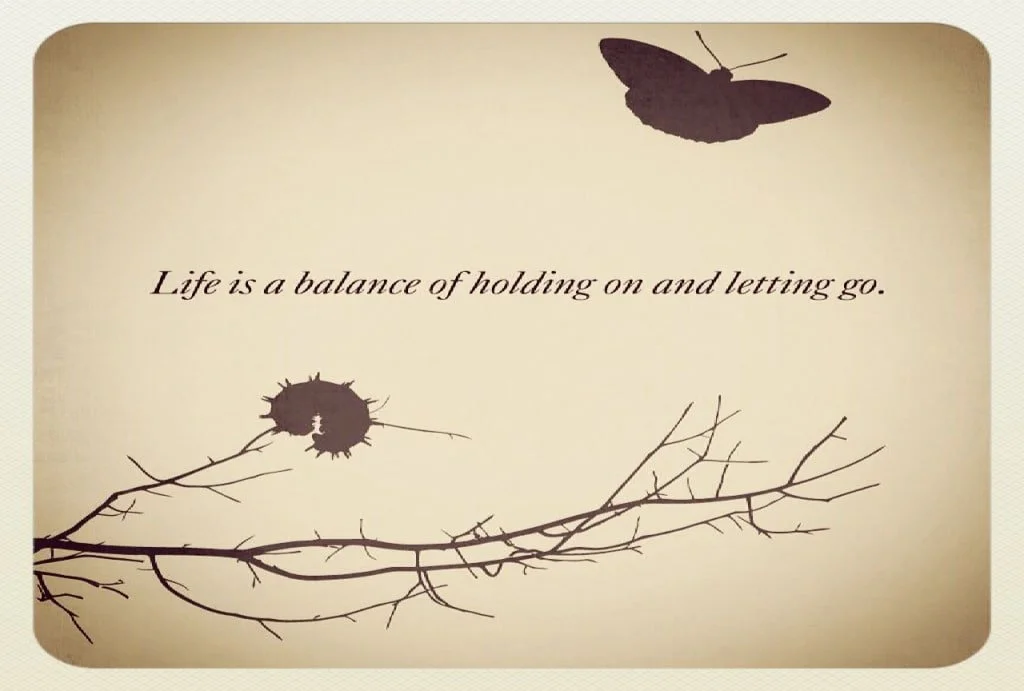
The shop becomes a place to practice this way of working—and living. Show up. Pay attention. Do careful work. And when the moment comes, loosen your grip. Not because you don’t care, but because clinging never makes anything stronger.
Wood doesn’t need domination. It needs respect. And in learning to trust it, you start to trust the process that holds everything else together too.